Normally when one hears “super…” it typically means a good thing right? Okay, well maybe not in this story. ): But maybe let’s not think of good when we hear super, what other qualities come to mind when we think of “supers” (meaning like superheroes)? Well, the first word that comes to my mind is strong, or powerful. Which I think are good words to connect to what we are going to talk about today. So we have our interpretation for “super”, strong and powerful. Next, let’s think about the “bug” part, this part shouldn’t be too hard to think of what it means, especially if you have read literally any of my other blogs, or heck just even looked at my home page. Bug most definitely has to do with something in microbiology. But it’s alright, I’ll just tell you what I mean so you don’t have to keep thinking, *Mollie just tell me already what you mean gosh darn it.* Well, so I can give you the best definition, I used alternative sources and found a Today.com new’s article that defines superbugs as “microbes resistant to some of the most powerful modern drugs.” So yeah no not good at all. These superbugs are in fact NOT here to save the day but to continue fighting the real superheroes of modern medicine trying to fight it off (aka antibiotics). Which is a major problem because if our main medicines can’t fight them off them…what do we do?
How did this villan come about?
So now let’s go to the beginning, how does this start happening? Well, I found a great flow chart from BBC.com that easily explains how antibiotic resistance (bacteria that are resistant to antibiotics, or “superbugs”). Essentially, it starts with a person taking antibiotics, and like previously stated in my blogs, antibiotics can be efficient in killing the bad bacteria but they can also kill the good bacteria as well, which can be bad. But antibiotics can’t kill drugs that are resistant to them which means that the drugs kill all of the surrounding and just the resistant ones are left. Well, have you ever heard of natural selection? Yeah, that idea comes in here, so since the bacteria that are resistant are now one of the only ones left so now they have all of this space, where the other bacteria were, to grow and thrive. Which is of course exactly what they do, multiply. But sadly, this is not the only way they come about, as bacteria are smart and can transfer their drug resistance to other bacteria. So bacteria who weren’t previously resistant can now become resistant, which is how we get new organisms even today becoming resistant. But I know what you’re thinking, okay let’s outsmart them and not use as many antibiotics. GREAT thinking theoretical reader, but you see not everyone looks at it that way. ): I found a CNN article, that said the CDC estimates there is a portion of antibiotics that are given when they don’t necessarily need to be. Like for preventative measures or if the doctors don’t really know what the infection is? Alright here is some antibiotics and let’s hope it helps. (: You want to hear something even worse, so the CDC did estimates and said that it was about a 1/3 of prescriptions so in translation 47 MILLION unnecessary antibiotic prescriptions per year. (Let’s take a quick pause to reread that last sentence) So with all of these unnecessary prescriptions more of people’s healthy bacteria are being killed which gives the resistant bacteria a hand up.

Antibiotics and Animals
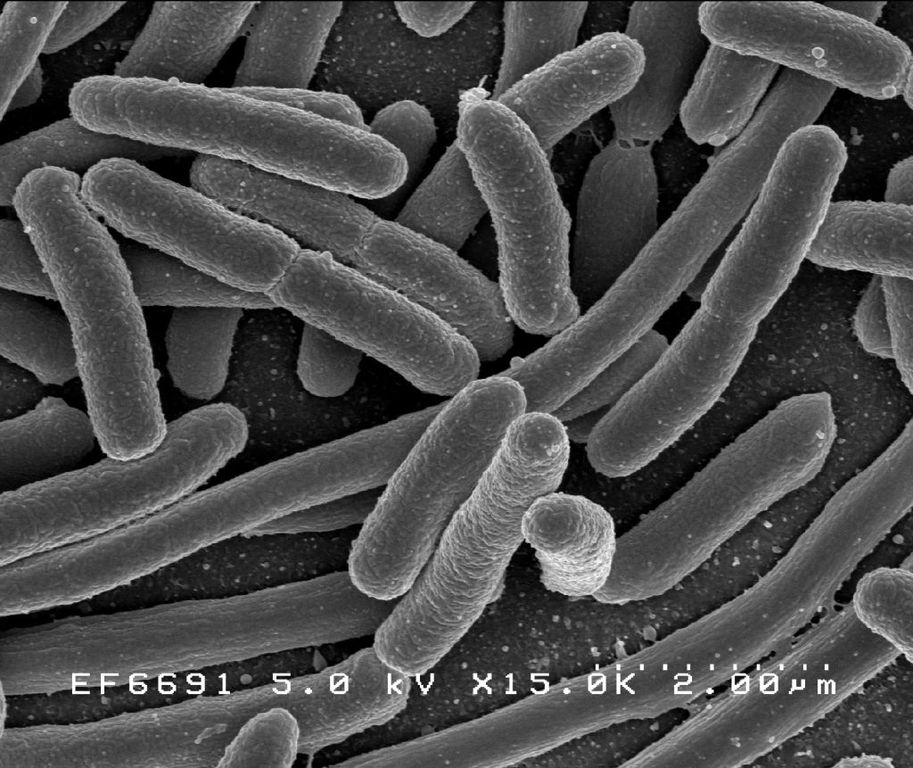
If you’re like me and you’re going through the store to pick up hmm some chicken, typically first I’m going to look at price because you know…money, and then size especially when cooking for my family, I gotta make sure there’s some meat there. But, when you take a step and think about it as your holding this like quarter of a pound chicken breast (I’m really bad and guessing weight but think of a large one) … you’re thinking how does this actually fit into a chicken like this thing is huge and most chickens I see are not that big. Well I have the solution so yes it is still chicken BUT farmers use antibiotics to boost the growth in their livestocks. *Mind blown* And you read that right, what keeps us healthy is what is making this chicken breast we are holding so huge. After reading this article from C&EN who told me about why our chicken breast we are holding is so huge, they also said that farmers use the antibiotics to protect the animals from infections which I can understand as well. They talked about since farmers are using the same antibiotics we, humans use, on the animals it just allows bacteria to become even more resistant as it essentially has more time to gain resistance in the animal and then we eat it. But people started realizing this and was like yeah no can we not? So in 2017 the US Food and Drug Administration told farmers that they couldn’t give antibiotics at low doses over a period of time and the use of antibiotics that humans use must be prescribed by a vet. Honestly, I don’t think this would be a bad thing because it’s kind of lowering the idea of what we talked about earlier with the unnecessary uses of antibiotics. And hey if that means my chicken is slightly smaller then so what it’s priced by weight right? So like it’s all cool because I know I have a better chance of not having as many antibiotic resistant organism within me. There was a study done that tested the antibiotic resistance pattern of E. Coli and they found the highest percentage of resistance in their sample of raw chicken. Which relates to what we were just talking about, so our chicken breast we are still holding in the store (and are now being looked at by people because we have been here a long time) has a high percentage of resistance E. Coli on it!! Which is scary and the study notes this but E. Coli is the most common Gram-negative pathogen in humans. This high percentage is important to note because like the study says, not only is it the most common gram-negative pathogen, it also causes UTI’s and is a cause of diarrhea which um neither sound like fun so I definitely think we should start working on this resistance problem.
So long antibiotics?
If we can’t use antibiotics how does that effect us? Well after reading the Q&A section on the CDC website I think I can put together what would happen if we didn’t have antibiotics. So a lot of big procedures like surgical procedures use antibiotics after the procedure to reduce infections since surgeries involve HUGE risks of infections since you’re cutting into the body. But if we can’t use antibiotics anymore because they are inefficient since there are too many resistant organisms then we almost could say we can’t do the surgeries. The risk of infection vs full surgical recovery is so large that is it even worth the surgery if we can’t use antibiotics? So this biological warfare can become very serious and dangerous if we do get a handle on it now.


 Mo's Microbes