So this week we are going to talk about the Microbiome! If you’re like me, you probably have no idea what I’m talking about. But don’t worry I’ll explain. When I entered my Microbiology class on the first day, I was excited but nervous of course. Dr. Cramer began the lecture talking about microbes. Now I can’t say I’ve NEVER had micro experience but before it was very limited to the few times we talked about it in AP Biology. So when Dr. Cramer began talking about Microbes and the Microbiome, I’m not going to lie I had no idea: a) what she was talking about and b) what the heck was going on. But by the end of the lecture and as we have continued in class I now can say that I understand what people mean when they say Microbiome.
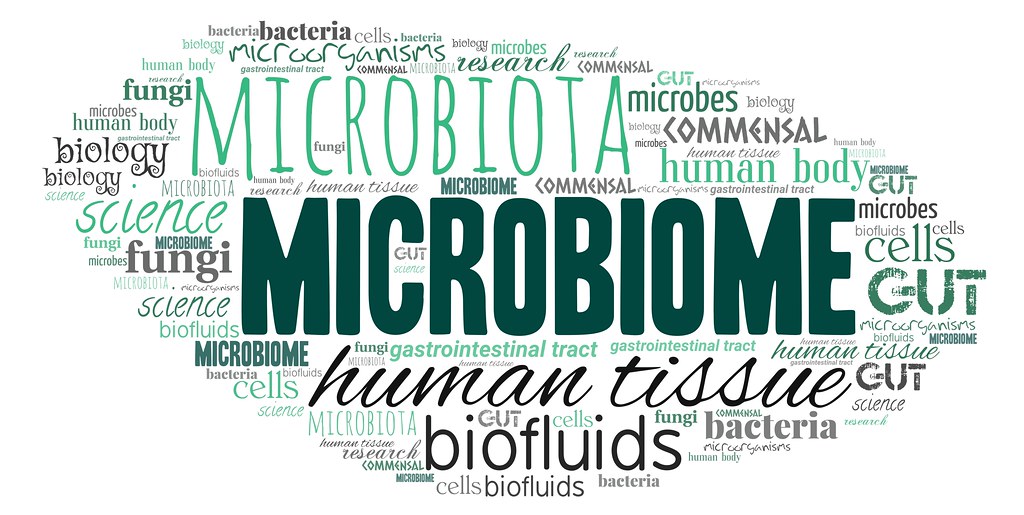
What exactly is the Microbiome?
According to a Harvard Article, the microbiome is the world of the trillions of microbes within you. They also talk about how everyone’s microbiome is different and it is initially determined by your DNA but can change as soon as you’re an infant coming out of your mother due to environmental factors. There are beneficial microbes and harmful microbes. Which makes sense because at this point it’s like how can there not be harmful ones right? Or at least that’s what I’m thinking. Microbes help the body by helping the immune system as we rely on them to break down different times of enzymes, foods, vitamins. Which is kind of mind-blowing when you think about it because that means…we can’t do it ourselves you know? I mean I guess technically we are since they are our microbes but like it’s not our internal organs doing it, we are relying on the microbes inside of us to do that. Plus, if we all have different microbes then there’s no way all of us can digest the same things right. Like who’s to say that you and I have the same microbes to breakdown lactose? I mean if both of us could break it down, then we must have some similarities but many, not the exact same microbes. Does that make sense? I mean I think that’s why some people can break down lactose and some can’t like those who are lactose-intolerant. But apparently, the microbiome is involved in a lot of other things as well.

Antibiotics giving allergies?
According to CNN Health, there is a new study out that possibly links antibiotics in infants to them developing allergies. Now, this study determined a link between the two and as always, more research will need to be done to truly confirm this. But, for this study, the researchers analyzed the medical records of 798,426 children, born between 2001 and 2013. Doing the math, that means that the oldest child they looked at could be around 19 and the youngest 7. Which I believe is kind of a large range but I think it is important that they analyzed hundreds of thousands of children. (Instead of just 12 like someone else we know *insert eye roll*.) Not only does their research show a link between the two but it has allowed them to narrow it down the specific antibiotics, penicillin, cephalosporin, sulfonamide, and macrolide. If the child was given these antibiotics they were at higher risk. The researchers look at the children’s medical history and which was given one of the antibiotics during their first six months after birth. Then they looked at which children were diagnosed with allergies like food allergies or asthma. They found that penicillin had the highest correlation with those who were later diagnosed. They did mention however that this only an associated link and that there wasn’t even research to fully announce a causal relationship between the two. For example, they said that maybe the children that developed these allergies are also more susceptible to a bacterial infection which would lead to the use of antibiotics. Okay. I know, that was a lot and I’m sure you’re like okay Mollie what does any of this have to do with the microbiome?? Well, here’s the tea. So antibiotics are used in bacterial infections, right? Meaning that they work to kill these bacteria, but we can’t fully control which very specific bacteria they kill and which they don’t (or at least I don’t think so) which is why antibiotics kill good bacteria. The killing of these bacteria alters your microbiome because those bacteria are what make up your microbiome!! We also know that these bacteria help in the body’s immune system, so killing the good bacteria affects our immune system leading to the use of having these allergies as our microbiome has now been altered. Researchers did want to mention however that, again, this was just an association and although they have large speculations parent’s should not withhold their children from antibiotics if they truly need it, but just to use caution with when they use it because there is no benefit truly in the overuse of antibiotics. So overall, this article suggests that antibiotics can cause changes in the microbiome which affects human health by causing us to have allergies.
Effects of sun exposure
As I spent the day sitting outside watching the baseball game in 50-degree weather with cloudy skies I could only think about how ready I was for it to be spring and the sun to be out more. Apparently, I’m not the only one as not only does the sun affect how happier I am because it’s warmer apparently, my microbiota also would be very happy and benefit from the sun too. According to an NBC news article, there has been a study done that links together the benefits of sun exposure with a more diverse microbiota. I’m sure you’re probably thinking but Mollie you said that the microbiome is inside you and like we have been talking about gut microbes sooo how do they connect? Well, I’m glad you theoretically asked. The study took 21 women who were about 28, their levels of vitamins, specifically vitamin D, and stool samples were taken and tested. Almost all of the women show lower levels of vitamin D. To do the study, they brought these women in and exposed them to a band of UV light three times a week. I should also note that this study was done in the winter of Canada, so the women weren’t really exposed to sunlight at other times. At the end of the week, their levels were rechecked. Researchers found an increased level in Vitamin D and also saw that their stool had more diverse microbes in it, suggesting that the microbiome has become more diverse. Well, when you think of the microbiome as a big bowl of candy let’s say, and you only have like 5 different types of candy. But like stated earlier you have some good candy but also some bad candy. Then you go outside get some sun exposure and relook at your candy and realize that 20 different types of candy! Like how could you not get excited about it? So essentially this study is saying that getting sun exposure is making your body and your gut happier essentially because it has more different types of candy or really microbes. They linked this study to possibly be a good talking point in helping other diseases such as inflammatory bowel disease. People with diseases like inflammatory bowel disease have problems absorbing nutrients meaning it’s hard for them to raise their vitamin levels, so this might be a good way to help raise levels of vitamin D. Which I mean I think is pretty cool because who would have thought that getting sun exposure would make my gut happier. Like I knew sunlight gives you vitamin D but I didn’t think about it specifically being UV rays or how it affected my microbiota. Which now I can’t wait for even more for spring because I know my amount of sun exposure will definitely be higher so maybe the diversity of my microbiome will be too. So let the countdown to spring and a more diverse microbiome commence!

 Mo's Microbes